


Take 5: Five facts that illuminate the Canadian Light Source
The CLS is a national research facility and Canada’s only synchrotron
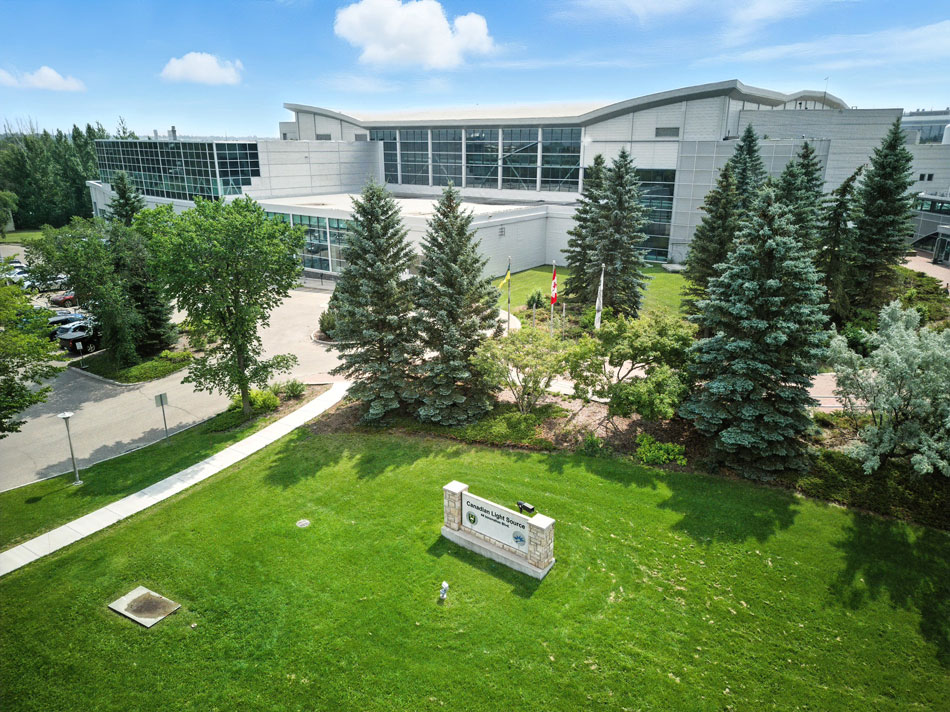
By Greg Basky, Canadian Light SourceThe Canadian Light Source (CLS) is a national research facility of the University of Saskatchewan (USask) and Canada’s only synchrotron. It produces ultra bright light by accelerating electrons almost to the speed of light, storing them in a circular ring that is nearly 200 metres around—roughly the length of two CFL fields laid end to end—and then making the electron beam bend to produce photons. Researchers use synchrotron light to study all sorts of materials at the atomic, molecular, and cellular scale.
Here are five things to know about the CLS.
1. Researchers use the CLS to tackle many of the biggest problems facing society today.
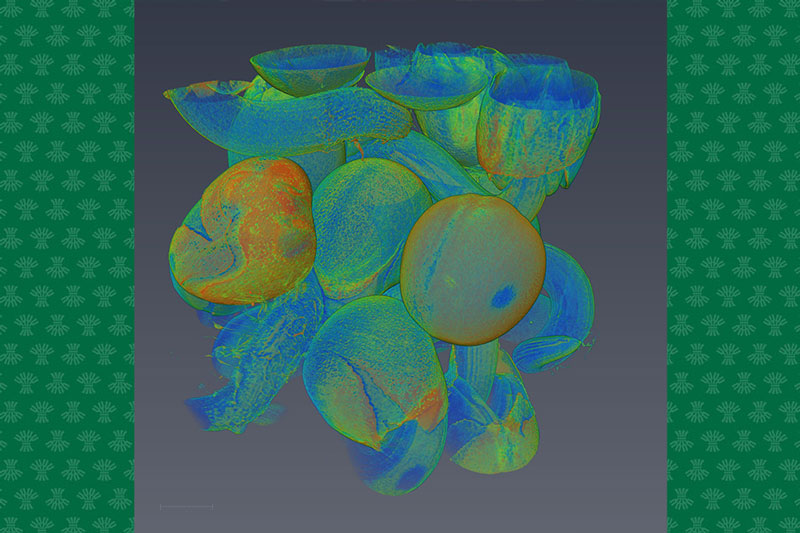
CLS users are engaged in ground-breaking work, from creating new cancer-fighting drugs to developing more nutritious and climate-resistant crops and supporting clean-tech and green mining processes. Here are just a few examples of the exciting research that has been enabled by the CLS.
Feeding a growing world population: Scientists in USask’s College of Agriculture and Bioresources and College of Engineering used the CLS to develop a new processing method that could unlock even more value in Canada’s canola industry, which currently generates more than $43 billion in economic activity annually. Their approach for separating the kernel from the hull would enable producers to access a plant-based protein source suitable for humans.
Blood-type conversion process now in pre-clinical trials: Using the CLS, University of British Columbia scientists studied an enzyme-based blood conversion technology that enables conversion of Type A blood into universal Type O, offering new hope for addressing critical global shortages in blood and organ supply.
New type of battery could outlast EVs and still be used for grid energy storage: Researchers at Dalhousie University used the CLS to show a new lithium-ion design—single-crystal electrodes—can be cycled more than 20,000 times (equivalent to ~8 million km) without internal damage. Unlike regular batteries that eventually break down from discharging-recharging, this new type could outlast the rest of a vehicle and later be repurposed for grid storage.
Ensuring long-term sustainability in mines: Orano uses the CLS’s unique-in-Canada technology to monitor environmental impact and safety at its McClean Lake Tailings Management Facility in northern Saskatchewan. The CLS detects trace amounts of harmful chemicals like arsenic, information hard to get with conventional methods but vital for regulatory approval. Mining companies also work with the CLS on modelling to prevent environmental damage and set high standards for mining and milling quality.
2. Each year, the CLS supports more than 1,000 researchers from countries around the world.
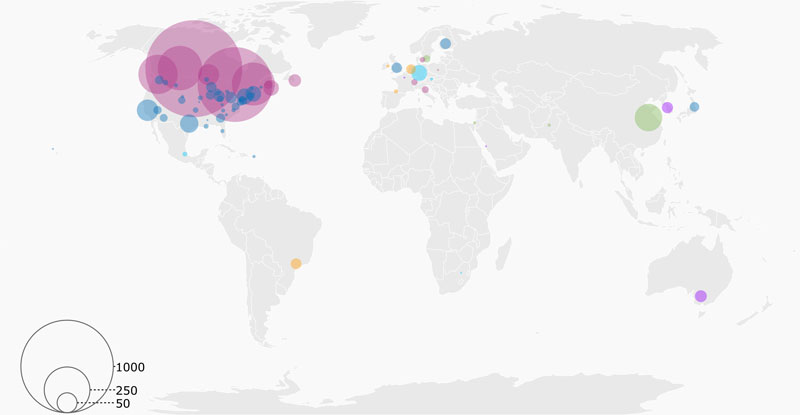
The vast majority of CLS users are from universities—overwhelmingly from U15 universities, with USask being the biggest user. In 2025 alone (a shorter year due to a long shutdown to replace major components) the CLS delivered 4,382 beamtime shifts across 22 operating beamlines, supporting 889 scientists, including 683 graduate students and postdoctoral fellows, from 39 Canadian institutions, seven provinces, and 17 countries.
The CLS also works with companies across various sectors to solve complex problems using powerful synchrotron‑based analysis, through its Industry Services program. By combining expert support with world‑class tools, the CLS helps businesses improve products, reduce risk, and make better decisions.
3. The CLS is home to 22 different beamlines.
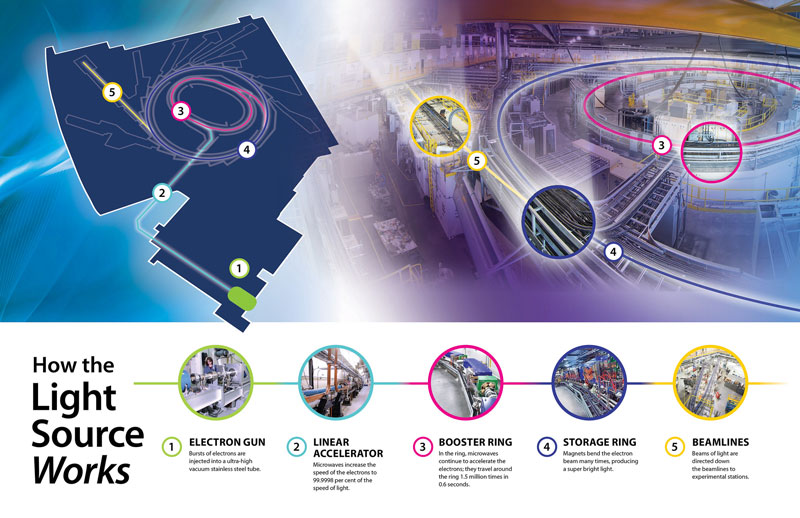
Beamlines (aka experimental facilities) carry the photons/light from the storage ring out to the “labs,” where users study their samples.
Operating 24/7, each beamline is designed for specific experiments, from studying proteins and viruses to analyzing batteries, soils, and industrial materials. Some techniques are super versatile, allowing for the study of markedly different things. The Biomedical Imaging at Therapy Beamline (BMIT), for example, is used not only for imaging bones to study diseases like osteoporosis, but also for imaging batteries, dinosaur bones, and petroleum moving through sand.
4. Synchrotron light produces beautiful science images and enormous amounts of data.
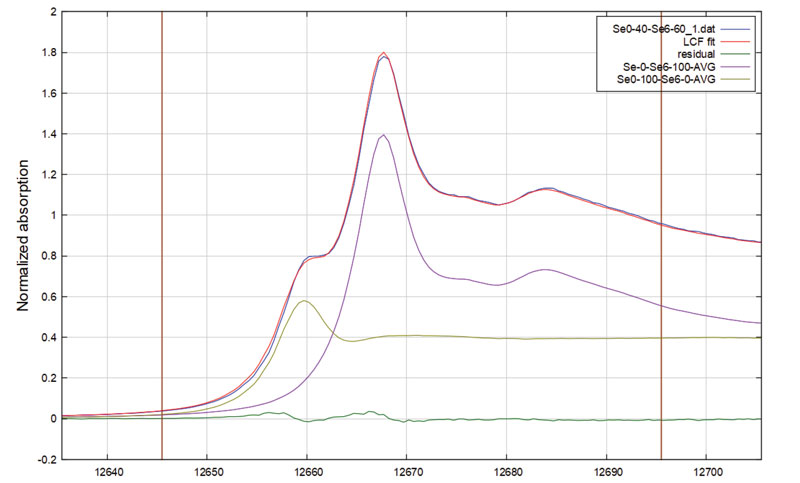
Images of samples collected at the CLS allow scientists to see inside materials, tissues, and samples in ways that are not possible with regular microscopes or lab tools. Using ultrabright synchrotron light, these images can reveal structure, chemistry, and changes at very small scales—from whole objects down to molecules and atoms. This helps researchers understand how and why something works (or fails), whether they are studying diseases, crops, minerals, batteries, or environmental pollutants. As a result, scientists can make more accurate conclusions, test ideas faster, and develop better solutions based on detailed, real‑world evidence.
Besides producing beautiful images, CLS beamlines are also used to analyze the chemical makeup of materials. By showing how different wavelengths of light interact with matter, researchers can analyze what their samples are made of, whether that’s the matter inside a lentil or molecules that exist in space.
The images and spectra data generated at the CLS require a ton of computer storage space. Beamlines generate wildly different amounts of data—some only a single text file, and some generate up to 1 terabyte of data per shift. The total storage consumption for science is around 2 petabytes of data—sizable by any measure. The BMIT beamline is the biggest consumer/creator of data at the CLS, with around 1.2 PB/1200 TB of data on disk.
5. The CLS is a talent attractor and producer.
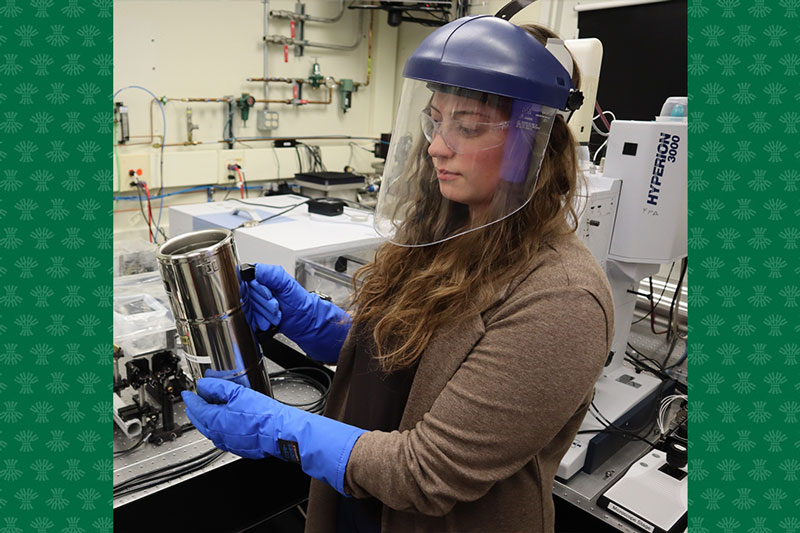
Like USask, the CLS is a “brain gain” for the city, the province, and the country. Over the years, the research facility has attracted staff scientists from more than 20 countries around the world. But it is also a great place for our homegrown USask grads to flourish and make their mark.
USask graduate Grace Flaman (BSc’21, MSc’24), an associate scientist at the Mid-IR beamline, came to the CLS in January 2024, shortly after completing her master’s degree in chemistry. She supports a wide range of users/researchers, from geologists and doctors to professors in agriculture and health sciences.
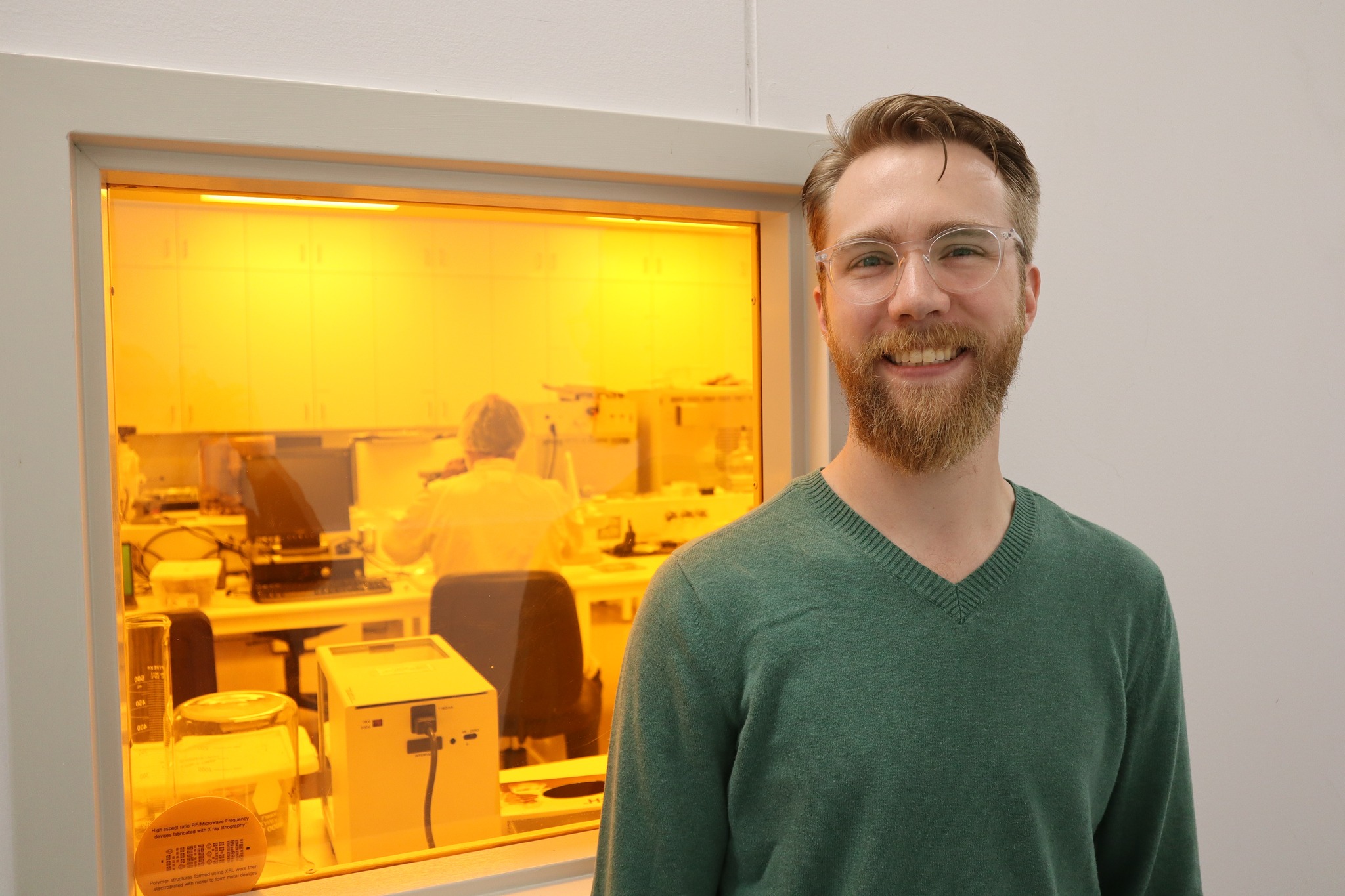
USask graduate Tyler Morhart (BSc’14, PhD’21) can still recall being in elementary school and his father bringing home a two-page spread in The StarPhoenix newspaper featuring the synchrotron. He remembers his father saying, “I don’t know what this is, but I think you’d be interested in it.” Twenty years later, Morhart leads the SyLMAND beamline at the CLS. Researchers around the world use this beamline for developing micro and nano devices.
The CLS also supports the training of the next generation of bright scientific minds. In fact, most synchrotron users are graduate students and postdoctoral fellows. Between 2005 and 2025, the synchrotron enabled the research of 4,441 undergraduate students, graduate students, and postdoctoral fellows.
If you’d like to see the CLS firsthand, sign up for a tour.