


Carrying forward a legacy of student support
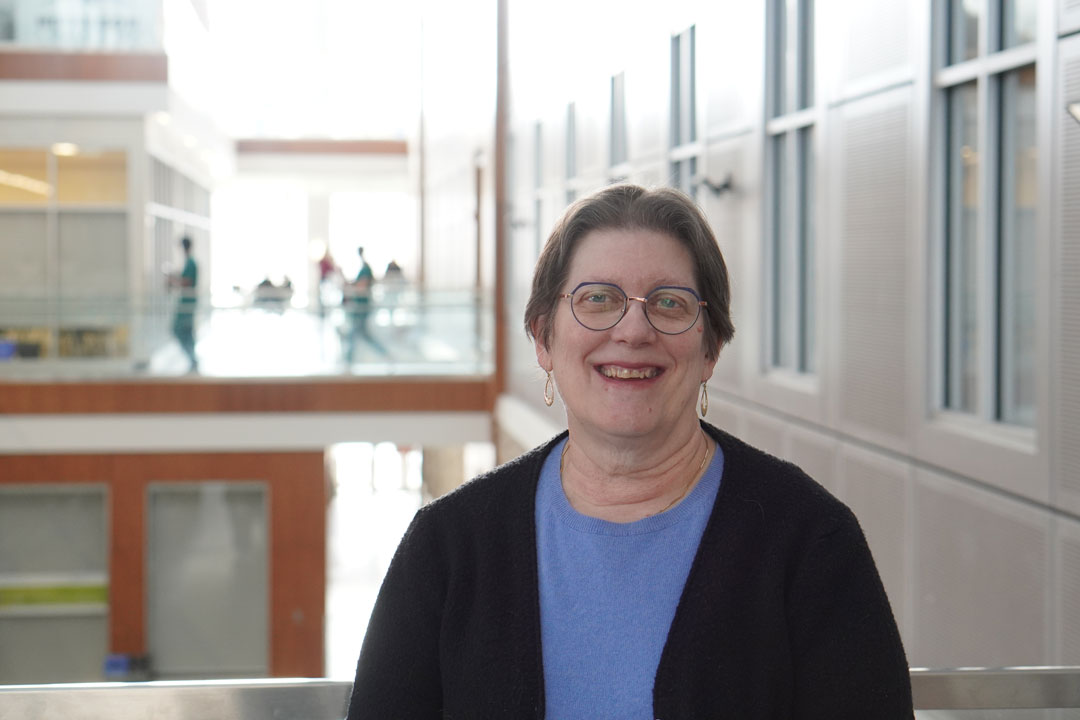
For more than 25 years, Dr. Patricia Blakley (MD’93, PhD) has dedicated her career to providing services to children with developmental challenges and their families.
By Sarah TrefiakAs an alumna, a longtime faculty member in the College of Medicine and a recently retired clinician, she has certainly made an impact on the medical landscape in Saskatchewan, particularly in the area of developmental pediatrics.
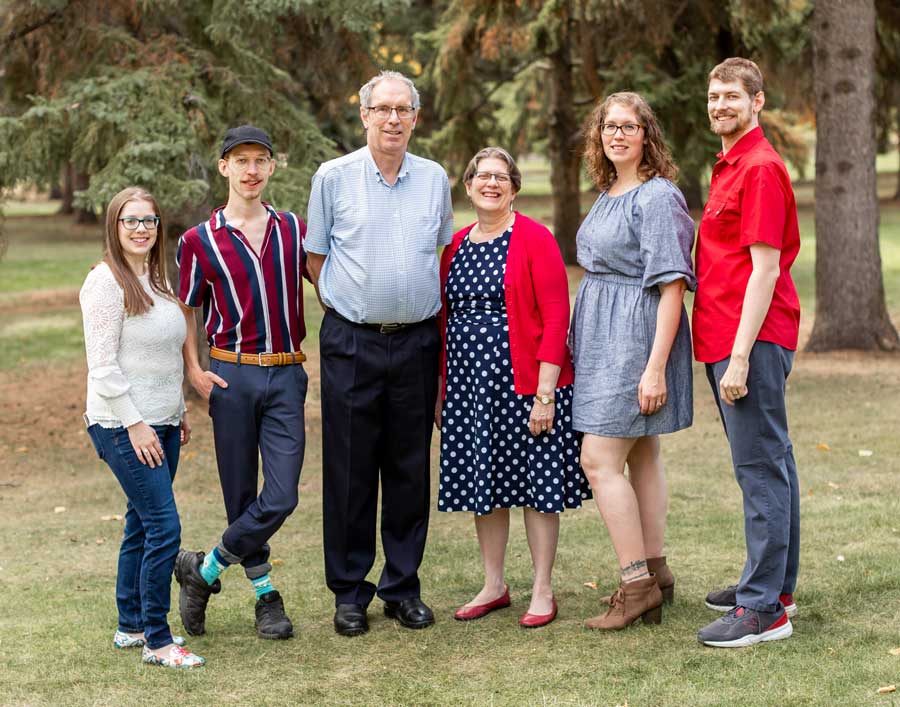
But it wasn’t until she began establishing awards in memory of her husband Dr. Barry Blakley (BSc’70, Sc’71, DVM’75, MSc’77, PhD), that she started thinking about her own legacy.
In the fall of 2023, Barry started developing two student awards at the Western College of Veterinary Medicine (WCVM) in anticipation of his retirement in June 2024. He died at Royal University Hospital in Saskatoon on March 10, 2024, just three weeks after receiving a pancreatic cancer diagnosis. Instead of celebrating his retirement, the awards were created in his memory.
“Barry was the consummate educator, clinician, researcher, and administrator,” said Blakley. “He truly enjoyed the opportunity to share his knowledge and expertise in veterinary toxicology, whether it was with his students or colleagues who sought his opinion on clinical cases. His expertise was recognized throughout Canada and the U.S.”
“He was extremely dedicated to his students, which is why it was so important for him to establish these two awards. Barry wanted to leave a legacy of student mentorship and support, and his spirit will live on through his awards.”
For Pat, helping to establish those awards in Barry’s honour gave her time to reflect on her own passions and the impact she hoped to carry forward.
“Barry and I had discussed a number of years ago when we were updating our wills that we would include a bequest to the College of Medicine and the WCVM, which we hoped would be used to provide enriching opportunities for students. The University of Saskatchewan was where we had the opportunity to build our professional careers, and we knew that we wanted to give back to the university.”
She chose to make a gift supporting a Dean’s Summer Research Project at the College of Medicine focusing on developmental and social pediatrics and has also arranged a future gift in her will to be used to enhance the student experience.
“My hope is that students will have an opportunity to explore the intersection of the care of children with developmental challenges and the social determinants of health,” said Blakley, adding that this intersection may be even more important in children than in adults. “Advocacy is especially important for this population of patients, and it can certainly have an impact on the clinical care that they will provide to their patients.”
That commitment to advocacy and care perfectly aligns with how Pat approached her own career in teaching and through her work as a physician over the past quarter-century, including work at her outreach clinic in Northern Saskatchewan.
“It was important to me to provide care in the local community so that some of the barriers that families encountered, such as travel, accommodations, and childcare, could be minimized,” said Blakley, who regularly travelled to her clinic in La Ronge, Sask., for more than 10 years.
One moment from that work in the outreach clinic has stayed with her.
“At each clinic visit, I would point out the good work the parent was doing to support their child. When I saw them for the last time prior to retiring, that parent told me that the only reason they believed they would be able to provide the support their child needed was because I had been so encouraging,” said Blakley. “It really showed me the power of kind and thoughtful words.”
Now retired from clinical practice, Pat continues to teach regularly at the College of Medicine, and, like Barry, her passion for helping students runs deep. From starting the tradition of muffin and pancake breakfasts during exam time while serving as associate dean, Undergraduate Medical Education, to her recent support of the Dean’s Summer Research Project for first and second-year medical students, she has always kept students close to her heart.
When asked how she felt knowing that she would be supporting future generations of students with her gifts, Blakley answered, “I’m honoured. And I’m humbled to know that these awards will enhance someone else’s career as they work to build their own future.”
To those considering leaving a legacy gift to USask, Blakley offers simple advice.
“Find something you’re passionate about and the rest is easy,” she said, crediting USask’s advancement team for guiding her seamlessly through the process.
“They provide a level of support at a time when often your emotions are strained and can ask the right questions that help you bring life to whatever it is you want to accomplish. I’m really grateful for their support.”
Interested in creating your own legacy with USask? Contact the Advancement team at legacygiving@usask.ca or visit our website to explore how you can support the causes that matter most to you through a future gift.