


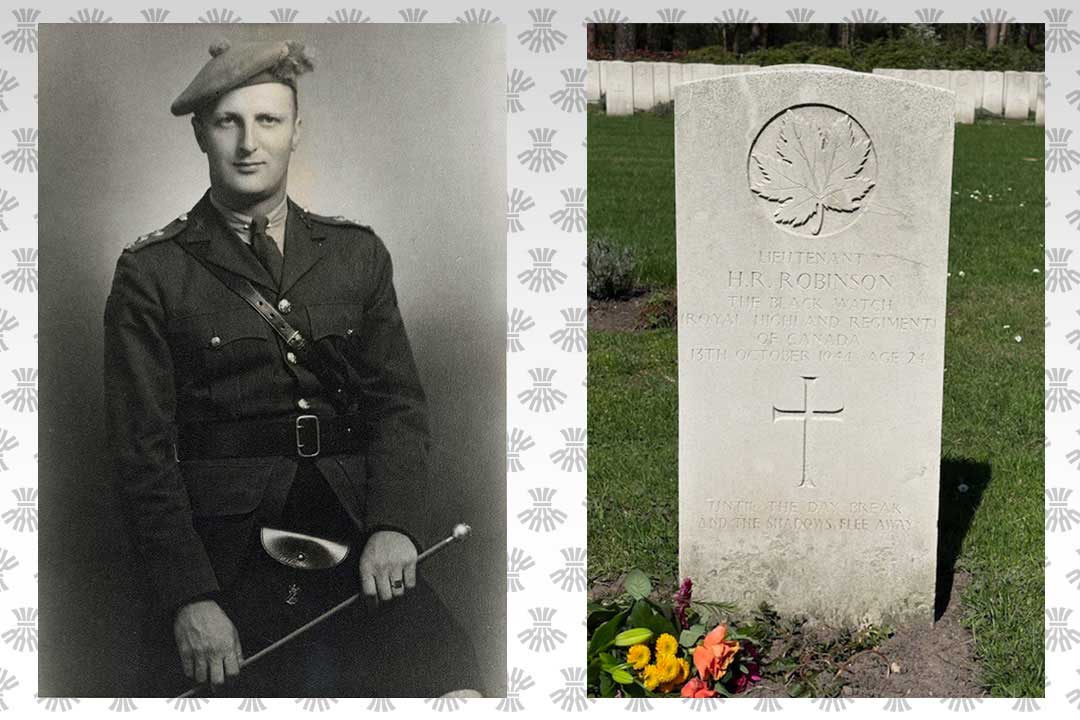
‘It means family’: One graduate’s tribute to a fallen USask soldier
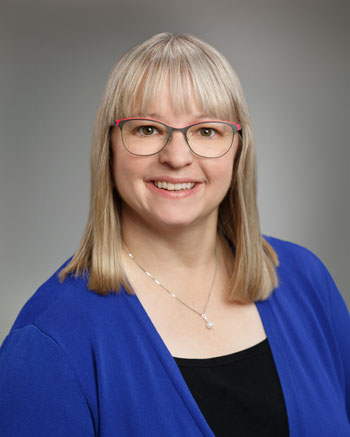
Tracey Jungwirth (BSc’92) had only read about Lieutenant Harold Robinson (BA’40), but she wanted to leave flowers at his grave
By Chris PutnamA sense of student camaraderie sent a University of Saskatchewan (USask) graduate across the ocean to the grave of one of the university’s fallen war veterans.
USask geology graduate Lieutenant Harold Ross Robinson (BA’40) served with the Canadian Army’s Black Watch (Royal Highland Regiment) in the Second World War. He was killed in the Netherlands during the Battle of the Scheldt on Oct. 13, 1944.
Tracey Jungwirth (BSc’92) came to know Robinson’s story through her decades-long involvement with the Ore Gangue, the society for students and alumni of the USask Department of Geological Sciences.
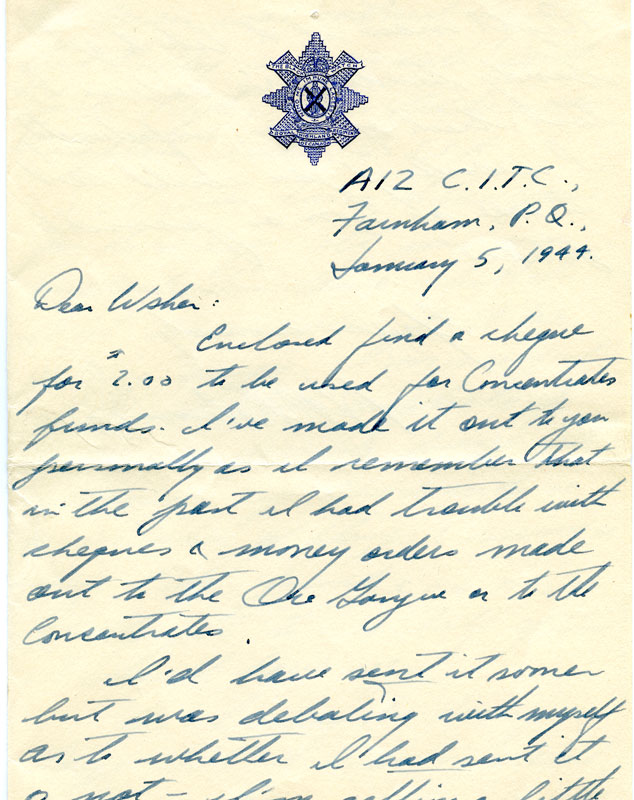
Jungwirth, a Calgary-based retired geologist in Alberta’s oil and gas industry, visited the University Archives and Special Collections while doing research on the Ore Gangue for the society’s 85th anniversary in 2019. She came across a handwritten letter Robinson sent to the Ore Gangue from a Canadian Infantry Training Centre in Quebec in January 1944. He had enclosed a $2 cheque for his copy of The Concentrates, the Ore Gangue yearbook, and asked that it be delivered to his family in Saskatoon in hopes they could forward it to him.
The letter was sent just a month before Robinson was deployed overseas, and nine months before he died.
“I came across the letter and I started crying in the middle of the archives because I just couldn’t believe what he wrote in that opening paragraph—that this fellow was so concerned about buying a yearbook, even though he was in the middle of the war. And so to me, that just represented how much passion our early students put into the Ore Gangue,” said Jungwirth.
Jungwirth pledged to someday visit Robinson’s grave in the Netherlands to give thanks for his service to his country and his contributions to the alumni society she loves. In the spring of 2025, she made it happen.
During a trip to Rotterdam in April, Jungwirth took a train to the Bergen-op-Zoom Canadian War Cemetery near the Netherlands’ southern border and left flowers at Robinson’s grave.
“I walked into the graveyard and it was so heavy. I had never been in a World War gravesite before and the emotions just overwhelmed me,” said Jungwirth.
Robinson was born in Humboldt, Sask., and moved with his family to Saskatoon, where he graduated from Nutana Collegiate. While completing his geology degree at USask, Robinson prepared for military service through the Canadian Officers’ Training Corps on campus and worked summers in the mining industry. He was a devoted member of the Ore Gangue, serving on its museum committee and as editor of The Concentrates.
Robinson enjoyed novels, games, music, stamp collecting, and botany. When recommending him for promotion to lieutenant, his army superiors described him as courageous, sensitive and slow-tempered, with a particular skill for drafting maps.
Robinson’s older brother William (BSc’36) was one of the founding members of the Ore Gangue and served in the Second World War as a flight lieutenant in the Royal Canadian Air Force. After studying at USask, William and Harold both obtained graduate degrees at McGill University. William, who survived the war, went on to a successful career as a geologist.
The younger Robinson died two weeks into the five-week Battle of the Scheldt, where Canadian and Allied forces fought to secure a vital supply line to northwest Europe. Their success was crucial to the liberation of Europe that followed.
Robinson, who was unmarried, left $500 from his estate to the USask geology department. His gift established the Ore Gangue Memorial Fund, which—with support from other donors—has funded student awards for academics and leadership since 1949.
Jungwirth knows Robinson only from a few stories and archival documents, but she feels connected to him through the Ore Gangue.
To all of us in the Ore Gangue, it means family. We all went (to USask), we had this bonding, and we all felt invested with the family. And that family bond makes you tied in to even members that you haven’t met before,” she said.
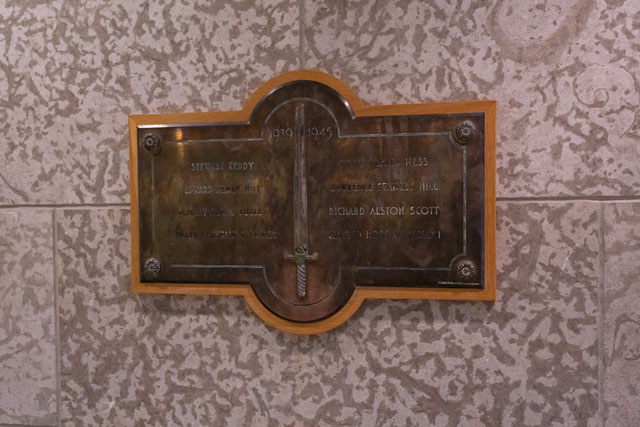
In the USask Geology Building hangs a plaque honouring the eight geology students and alumni who died in the Second World War. Jungwirth hopes to visit the graves of each one buried overseas.
“We don’t know where we’re going to be tomorrow because the world is chaotic. And sometimes remembering the past is a very good thing,” she said.
Remembrance Day ceremony at USask
For close to a century, the University of Saskatchewan (USask) has held a Remembrance Day ceremony each year at the Memorial Gates on campus. This year’s 97th annual program and wreath-laying ceremony will be held at 1:30 pm on Tuesday, Nov. 11 at the Memorial Gates.
Article originally published at https://artsandscience.usask.ca