



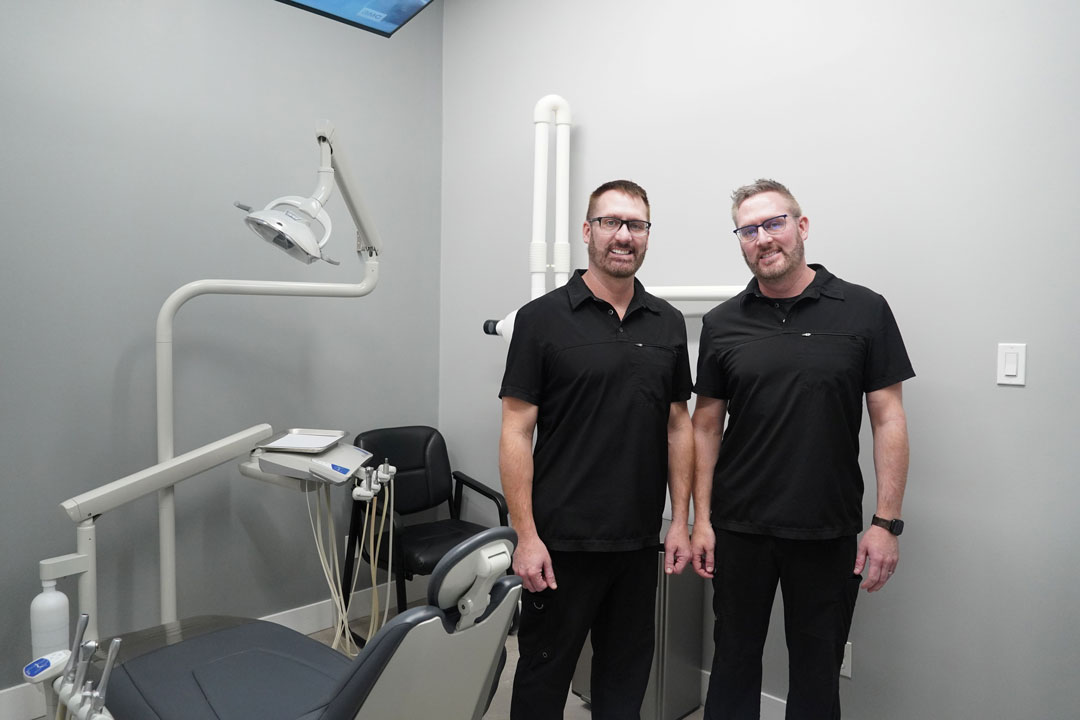
Two hearts, one dream
Identical twin brothers and heart transplant recipients Dr. Shane Mamer (BA’04, DMD’10) and Dr. Shawn Mamer (BA’04, DMD’11) have realized their longtime goal of owning a dental clinic together
Read
Loading...

177,000+
Alumni living worldwide
123
Countries where alumni reside
374
Order of Canada recipients
78
Rhodes Scholars
2
Nobel Prize laureates
1
Prime Minister of Canada
Watch
Can compassion build champions?
It’s no surprise that sport glorifies toughness. We’ve all heard the phrases “Suck it up. No pain, no gain." What if the real competitive edge isn’t about pushing harder, but being kinder with ourselves when things get tough? After nearly two decades of working with athletes, Dr. Leah Ferguson (BA'07, MSc'09, PhD'14) has learned that self-compassion — not harsh criticism — is what helps athletes thrive. In a culture that tells us “don’t be soft,” athletes often become their own harshest critics. Yet, self-compassion isn’t soft; it’s strategic. It helps athletes bounce back from failure, focus under pressure and strive for excellence without sacrificing well-being. Dr. Ferguson’s talk draws from her lived experience as a young dancer, expertise as a leading scholar in self-compassion in sport research, and applied work with athletes to reimagine a sport system where compassion and competition coexist.
Can a drug house be a home?
When most doors are closed to them, where can someone find home? Society often rejects and stigmatizes people who use drugs, leaving them feeling unwelcome everywhere, but drug houses can provide a sense of belonging and safety when all other doors are closed. Drawing on stories of lived expertise, community engagement and research Maryellen Gibson’s (BA'16, MPH'18, GTPC'24, GCSUW'24) talk explores the concept of “home” and challenges assumptions about people who use drugs. Through this talk, she highlights how systemic stigma perpetuate suffering and urges us to rethink narratives, recognize the humanity of people who use drugs and build a society where everyone can feel at home.
Share your updates
Class notes
Interested in finding out what your fellow classmates are up to now? View the most recent updates on our website and take a moment to share YOUR story!
Alumni Book Nook
Are you a USask graduate who has had a book published within the last six months or a new book that is soon to be released? If so, complete the Alumni Book Nook questionnaire for an opportunity to have your book featured through our websites and social media accounts.
In Memoriam
USask Alumni has noted, with sorrow, the passing of the following graduates, faculty and staff.